

Mastering Software Quality Through Visual, Collaborative Test Design
Keywords:
Visual test design
Software quality
Collaboration
Test coverage
Traceability
Visual test design
Software quality
Collaboration
Test coverage
Traceability
Abstract: With delivery cycles accelerating - whether in agile, DevOps, V-model, or hybrid projects - the pressure is intense:
deliver quickly, respect budgets, maintain impeccable quality, and adapt continuously.
For test teams, this translates into a growing need for efficiency, rigor, and collaboration.
In this context, we often talk about automating execution and defect management. Yet, all too often, the crucial phase of test design remains under-tooled, poorly structured, or even improvised. And that is precisely where everything begins: it is the foundation of a solid, sustainable quality strategy that is genuinely aligned with business needs.
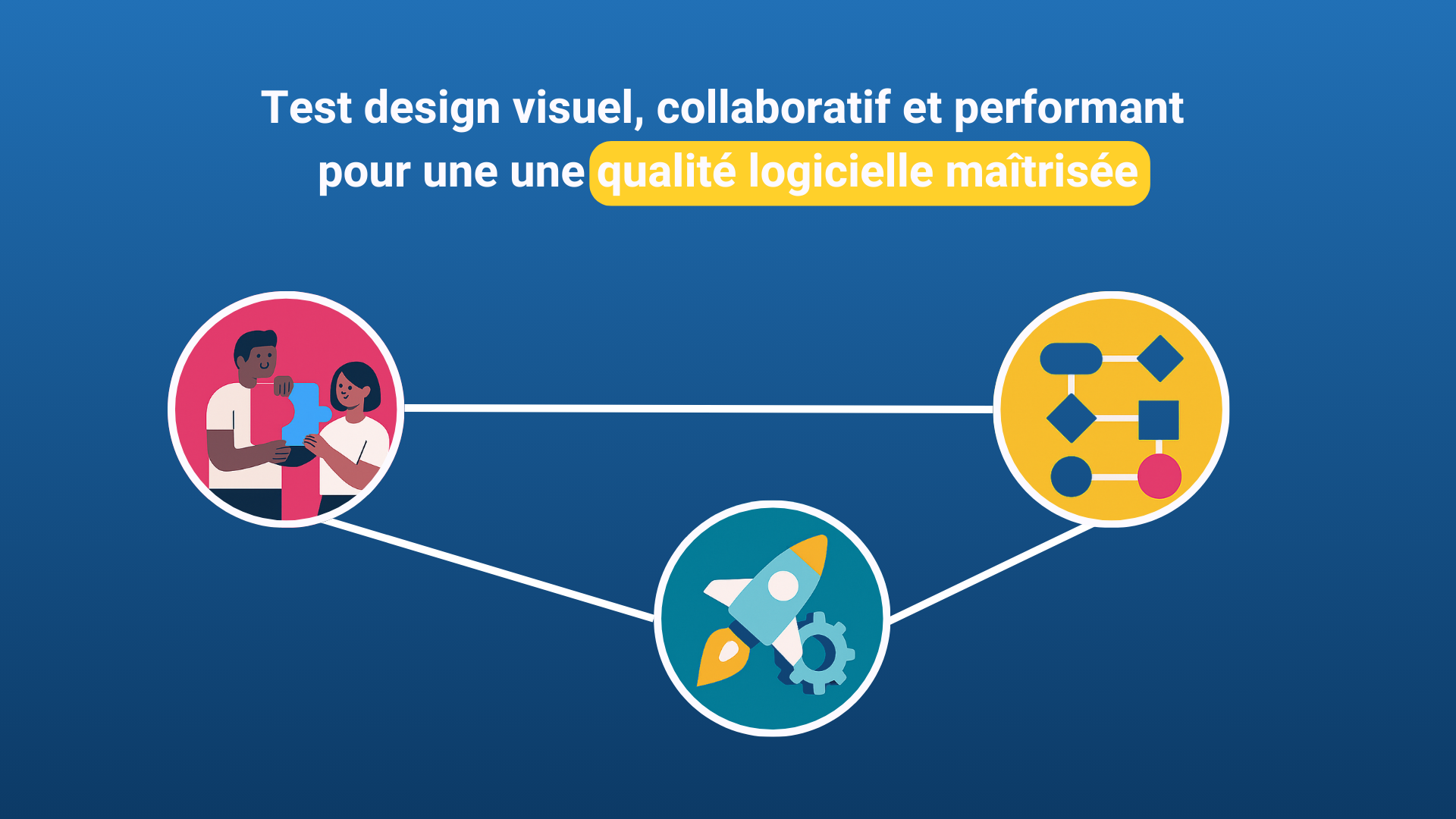
Summary
Why Test Design Deserves Your Full Attention
A poorly designed test is confusing, incomplete, or redundant, fails to properly cover requirements, is hard to maintain, poorly traceable, and produces unreliable results. It wastes time and compromises software quality.Conversely, smart test design is a methodical approach that turns requirements into relevant, targeted, traceable, and scalable test cases, optimized to cover major risks while minimizing maintenance and execution effort.
It ensures efficient validation of business needs without wasting resources, while providing visibility and confidence to all stakeholders.
Want to structure your tests from the start?
Book a personalized demo
Book a personalized demo
But in practice, teams must overcome several major challenges to ensure this quality.
The 7 Major Challenges Facing QA Teams
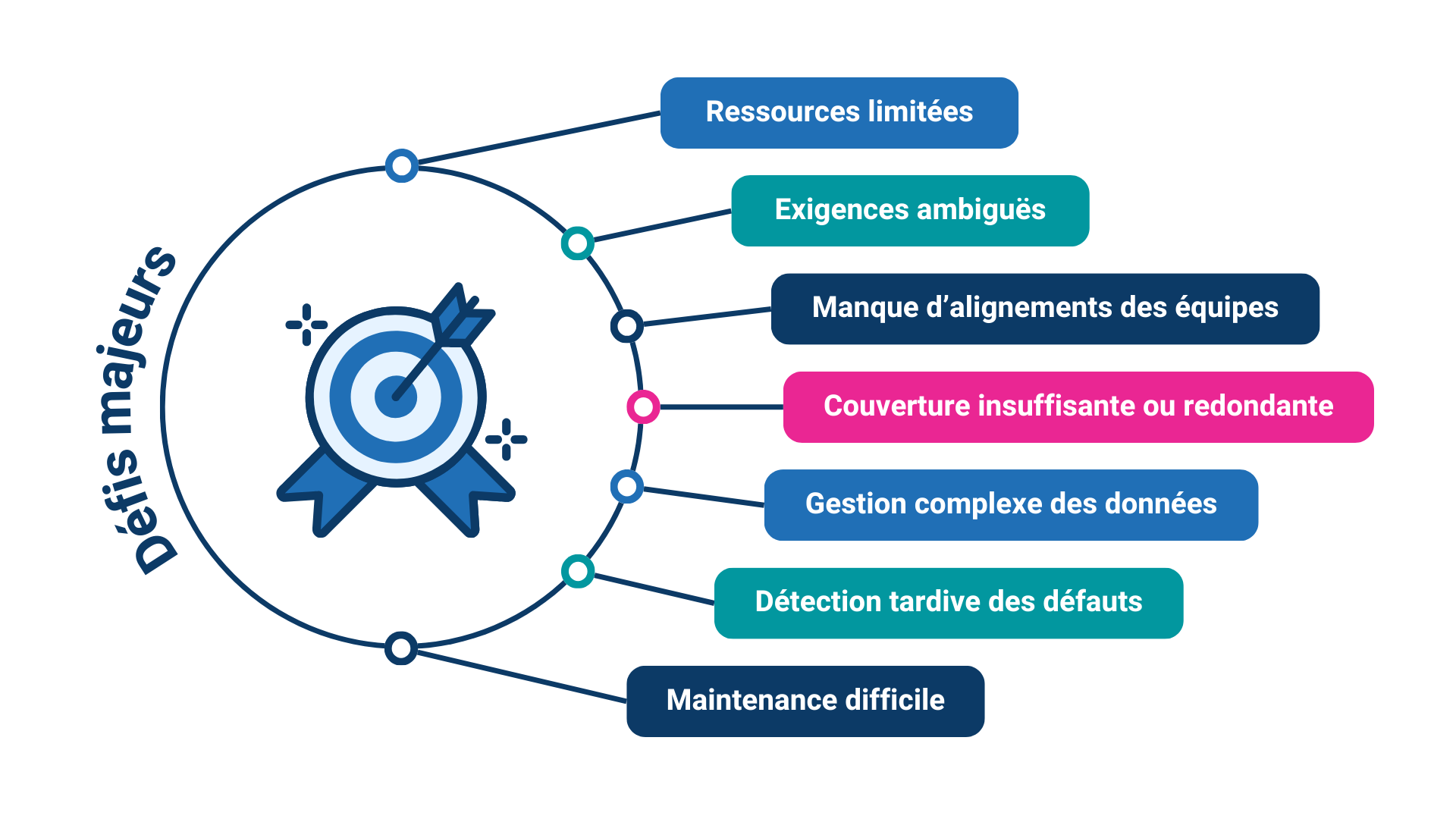
Figure 1: The 7 major challenges facing QA teams
Limited resources
Limited time, budget, and skills slow down testing and reduce its effectiveness.Ambiguous or evolving requirements
Poorly defined or frequently changing requirements lead to errors, rework, and scope creep.Lack of team alignment
Insufficient collaboration and silos harm test consistency and quality.Insufficient or redundant coverage
Poorly targeted or redundant tests let defects slip through or waste resources.Complex test data management
Generating and maintaining accurate, relevant test data remains a major challenge.Late defect detection
Finding issues late in the cycle is costly and delays delivery.Difficult test maintenance
Adapting test cases to changing requirements takes significant time and effort.Our Solution: Visual, Collaborative, Structured, and Efficient Test Design
 makes it possible to design relevant tests 40% faster, in a visual, collaborative, and optimized way - the ideal complement to a test repository like XQual.
How does it actually work?

Figure 2: How it actually works
Visual application journeys to clarify requirements and collaborate
Based on an analysis of the inputs, the functional tester graphically maps user scenarios and business journeys in Yest. These workflows are shared with the team (testers, analysts, POs, developers) to clarify requirements, spot gaps, and reduce ambiguity from the outset. This approach fosters collaboration, team alignment, and a shift-left mindset.Challenges addressed: Ambiguous or evolving requirements, Lack of team alignment.
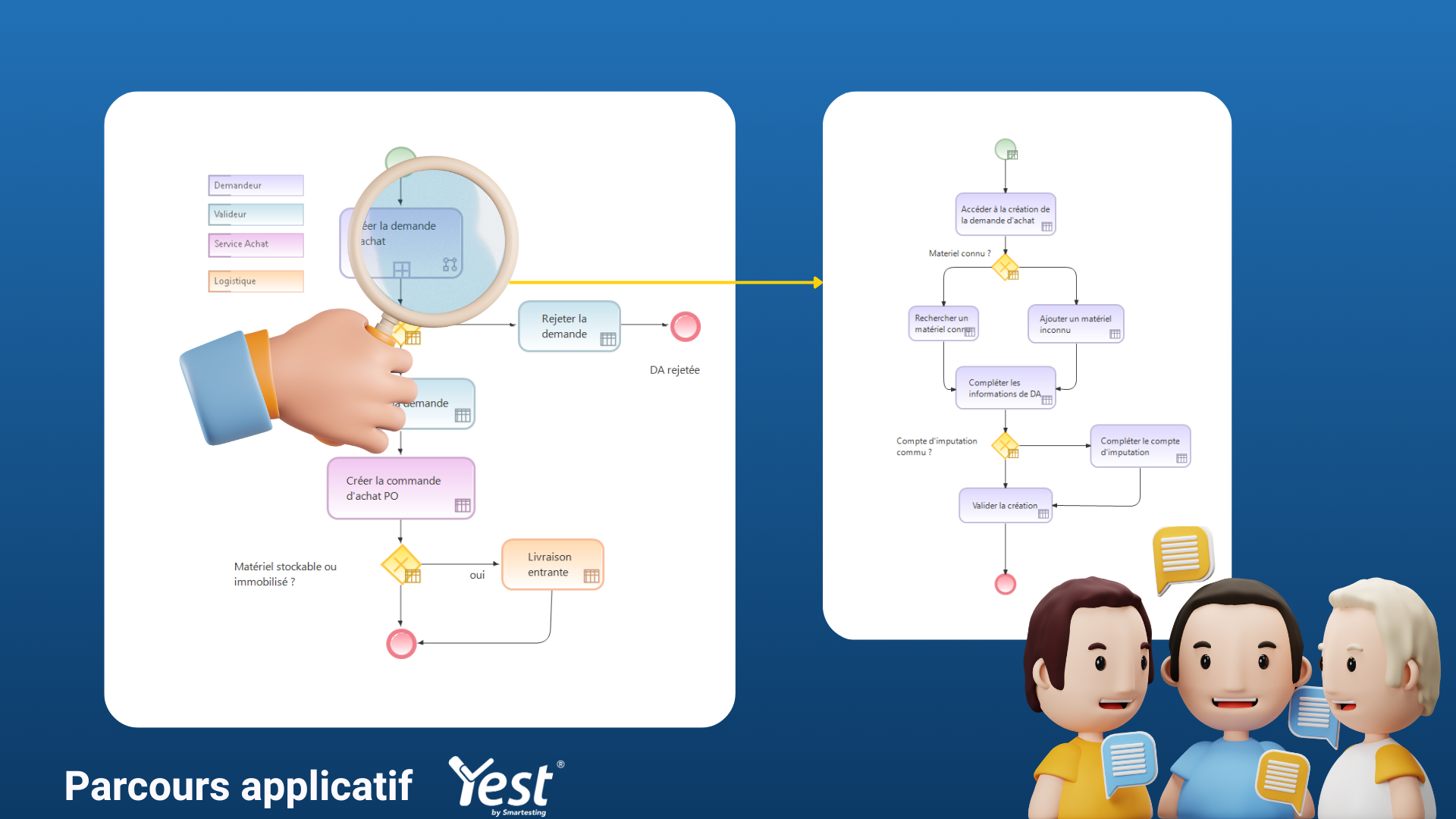
Figure 3: Visual application journeys to clarify requirements and collaborate
Decision tables for relevant, maintainable tests
Next, the tester completes the workflows with business rules, test steps, risks, and priorities, in the form of decision tables. This improves readability, avoids redundancy, and eases maintenance. By linking XQual requirements to the decision tables, complete coverage aligned with business objectives is guaranteed.Challenges addressed: Insufficient or redundant coverage, Difficult test maintenance.
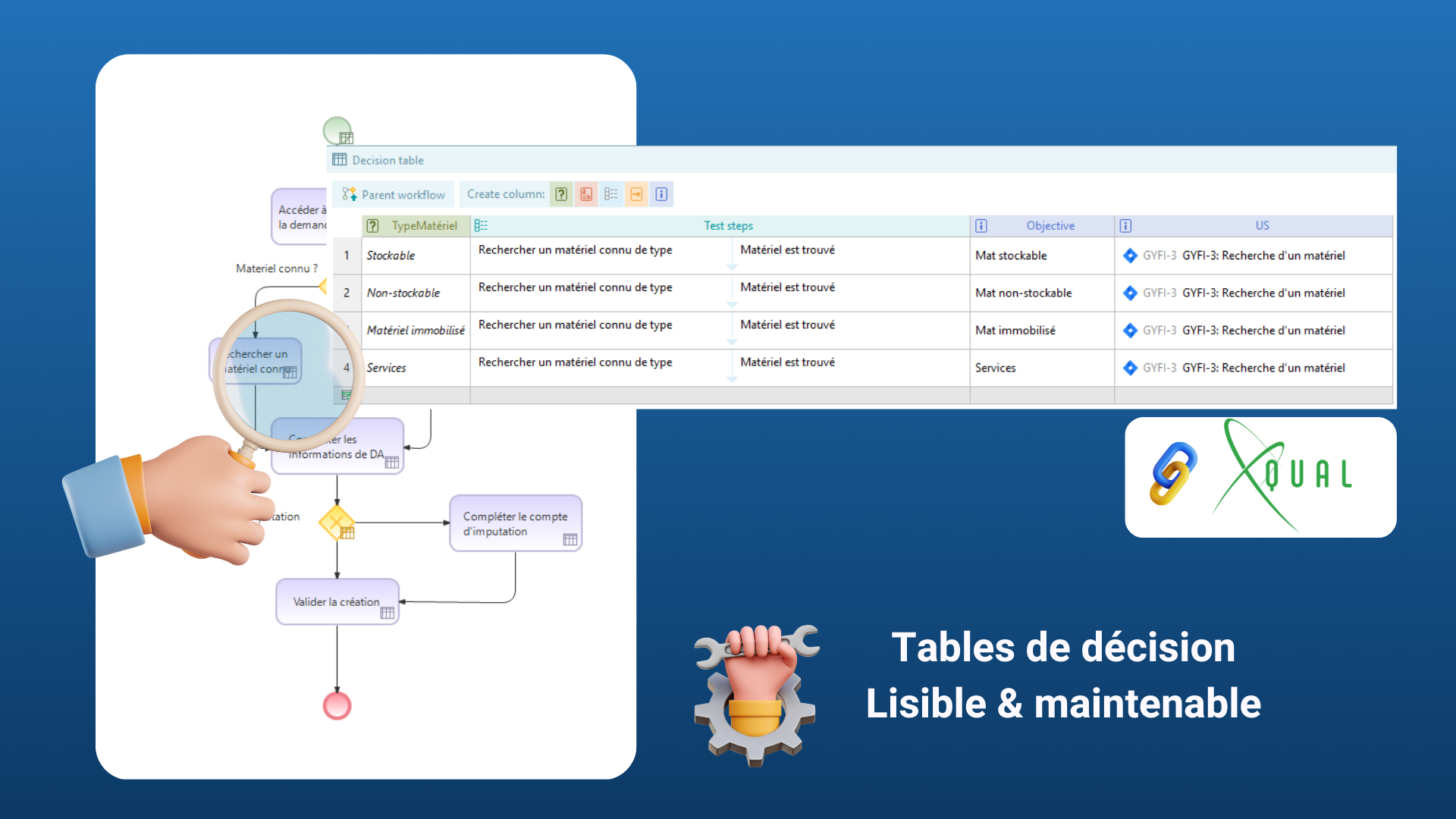
Figure 4: Decision tables for relevant, maintainable tests
Automatic scenario generation for optimized coverage
automatically generates test scenarios from the workflows, ensuring complete coverage while reducing both the number of tests and the effort needed to maintain and run them.
The coverage level can be adjusted, particularly to target risk areas, helping to minimize the costs associated with late defect detection.
The tests are then published to XQual, ensuring traceability and visibility.Challenges addressed: Limited resources, Insufficient or redundant coverage, Late defect detection, Complex test data management.
Easier automation with a keyword-driven approach
makes test automation easier by generating scripts using a keyword-driven approach.
Functional testers can thus ensure test relevance, maintain data consistency, and prepare scripts, while automation engineers focus on
complex technical aspects.This collaboration redefines automation, turning it from an isolated task reserved for automation experts alone into a collective effort involving the whole team. By encouraging contributions from every role,
optimizes efficiency, scalability, and alignment throughout the testing process.Thanks to integration with XQual and various automation tools (Cypress, Playwright, Selenium, Eggplant, Tosca, UFT, Ranorex, Agilitest and others), the generated scripts can be easily transferred to these platforms. Execution results then flow back into XQual, ensuring full traceability and consolidated reporting across requirements, test cases, and defects.
Challenges addressed: Limited resources, Lack of team alignment.
Fast adaptation to change with IDE accelerators
offers impact analysis tools, automatic change propagation, and intuitive refactoring.
These accelerators help keep tests up to date even when requirements change rapidly.
Challenges addressed: Difficult test maintenance, Limited resources, Lack of team alignment, Insufficient or redundant coverage.
Real Benefits
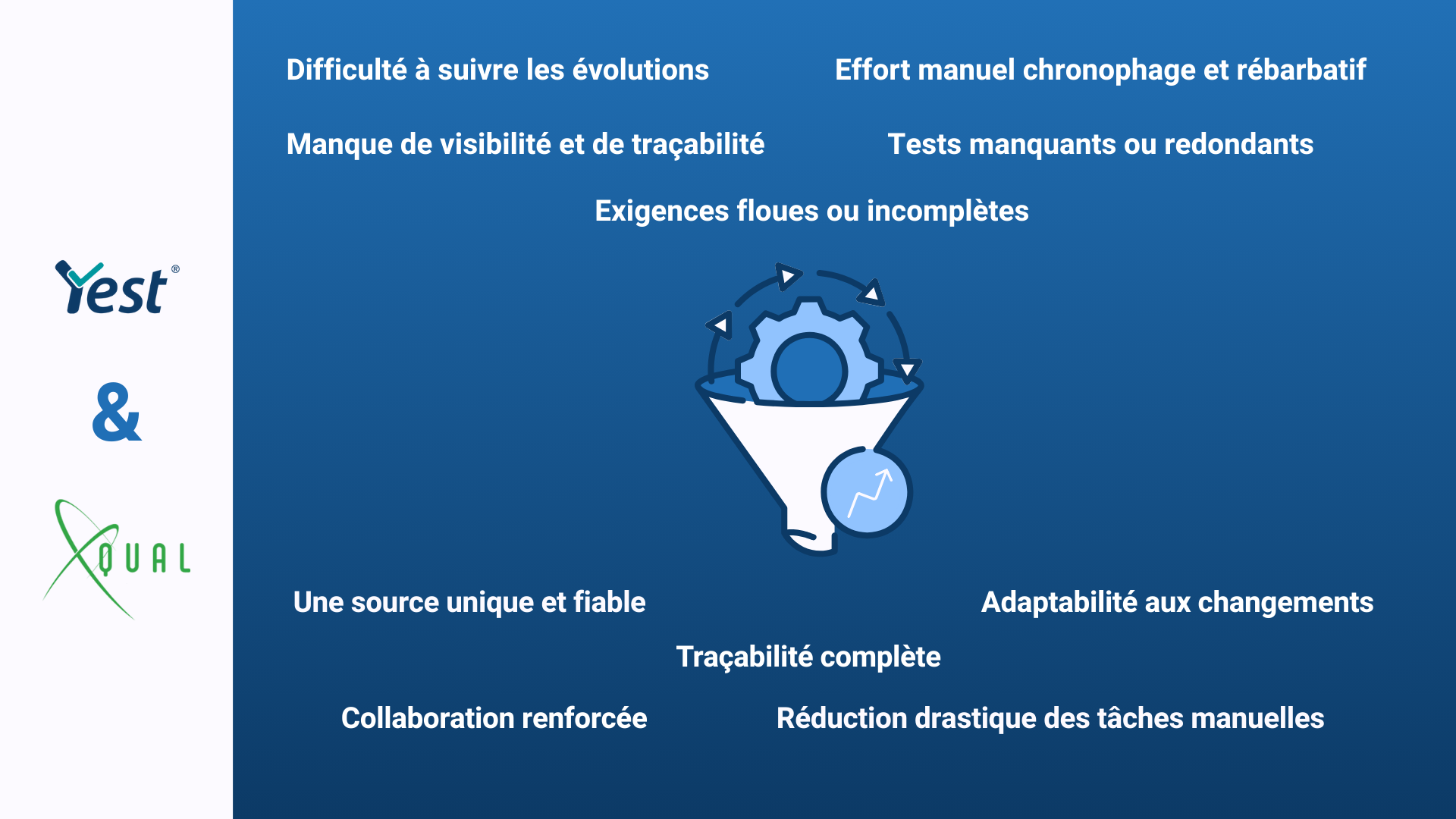
Figure 5: Real benefits
The concrete benefits of this approach are numerous:
- Full traceability, ensuring a clear link between requirements and tests
- Efficient centralization and structuring of test cases
- A significant reduction in manual effort thanks to automatic scenario generation
- Better collaboration between business, functional, and technical profiles
- Stronger adaptability to frequent, rapid change
Conclusion:
BETTER DESIGN MEANS BETTER DELIVERY
TEST DESIGN IS NOT A SIDE STEP - IT IS THE FOUNDATION OF THE TESTING PROCESS. THE MORE STRUCTURED IT IS, THE MORE RELEVANT YOUR CAMPAIGNS BECOME, THE MORE CONTROLLED YOUR COVERAGE, AND THE MORE SUSTAINABLE YOUR AUTOMATION.
WITH YEST, DESIGN YOUR TESTS VISUALLY TO STRENGTHEN QUALITY, CONTROL YOUR CAMPAIGNS, AND ENSURE THEIR LONGEVITY.
WITH XQUAL, MANAGE, EXECUTE, AND STEER ALL YOUR CAMPAIGNS IN A ROBUST, INTEGRATED ENVIRONMENT.
TOGETHER, THESE TOOLS GIVE TESTERS THE MEANS TO TAKE BACK CONTROL OF QUALITY, GAIN EFFICIENCY, AND FULLY ADAPT TO THE DEMANDS OF MODERN AGILITY.
Figures:
Figure 1: The 7 major challenges facing QA teams
Figure 2: How it actually works
Figure 3: Visual application journeys to clarify requirements and collaborate
Figure 4: Decision tables for relevant, maintainable tests
Figure 5: Real benefits
Figure 1: The 7 major challenges facing QA teams
Figure 2: How it actually works
Figure 3: Visual application journeys to clarify requirements and collaborate
Figure 4: Decision tables for relevant, maintainable tests
Figure 5: Real benefits